
Understanding the psychology behind risk-taking in gambling decisions
The Nature of Risk in Gambling
Risk-taking is inherent to gambling, as it involves the potential for loss balanced against the prospect of reward. This duality makes gambling uniquely appealing, prompting individuals to weigh their options based on psychological factors such as excitement and fear. Understanding this interplay helps to explain why people engage in risky behaviors, often ignoring the odds in favor of the thrill that comes with uncertainty. As you explore the options available, the best place to start is with a trusted online casino australia.
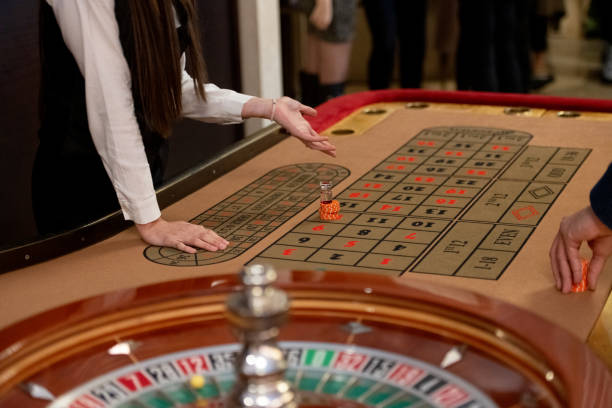
This attraction to risk can be attributed to various psychological principles. One key concept is the “loss aversion” theory, where individuals prefer to avoid losses rather than acquire equivalent gains. This can lead to irrational decision-making, with gamblers often chasing losses by increasing their bets, driven by the hope of recouping what they have lost.
The Role of Emotions in Gambling Choices
Emotions play a significant role in the decisions that gamblers make. Feelings of excitement and euphoria can cloud judgment, leading individuals to make riskier choices. The rush of winning can create a powerful feedback loop, reinforcing the desire to gamble more. Conversely, negative emotions such as frustration or desperation can lead to impulsive decisions that escalate risk-taking behavior.
Moreover, the emotional state of a gambler can significantly affect their perception of risk. For instance, someone in a positive mood may overlook potential pitfalls, while someone feeling anxious may overestimate their likelihood of winning. This variance highlights the need for self-awareness when engaging in gambling activities.
Cognitive Biases at Play
Cognitive biases also contribute to the risk-taking tendencies observed in gamblers. One common bias is the “illusion of control,” where individuals believe they can influence random outcomes, such as those found in games of chance. This misplaced confidence can lead to increased betting and a propensity to take higher risks than warranted.
Another significant bias is the “hot hand fallacy,” where gamblers assume that a winning streak will continue indefinitely. This belief can prompt individuals to wager larger amounts, fueled by the erroneous assumption that luck is on their side. Recognizing these biases is essential for making informed decisions in gambling scenarios.
Social Influences and Gambling Behavior
Social dynamics also play a crucial role in shaping gambling behavior. Peer influence can encourage individuals to take risks, as the presence of others may amplify feelings of excitement or competitiveness. This social aspect can lead to higher stakes being placed during group gambling activities, as individuals seek to impress or match the behavior of their peers.
Additionally, social norms around gambling can either inhibit or promote risk-taking. In environments where gambling is viewed as a socially acceptable activity, individuals may feel more inclined to engage in risky betting behaviors. Understanding these social influences is vital for comprehending the broader landscape of gambling psychology.

Your Ultimate Resource for Informed Gambling Decisions
Our website serves as an invaluable resource for those looking to navigate the world of online gambling responsibly. By providing independent rankings and reviews of reputable online casinos, we empower users to make well-informed decisions based on comprehensive analyses. We filter out unreliable operators, ensuring a safe gaming environment.
Whether you are seeking enticing bonuses, secure payment options, or diverse gaming experiences, our platform offers insightful guidance tailored to enhance your online gambling journey. Join our community today to elevate your gaming experience while making informed choices rooted in understanding risk and reward.


